4.7.3
Poverty & Homelessness
Test your knowledge with free interactive questions on Seneca — used by over 10 million students.
La Pobreza y Los "Sin Techo" - Poverty and Homeless People

Key vocab
- La pobreza - poverty.
- Los "sin techo" - homeless people.
- Un ladrón, una ladrona - a thief.
- La desigualdad - inequality.
- El gamberro - hooligan.
- La ONG - NGO.
- El vertedero - rubbish dump.
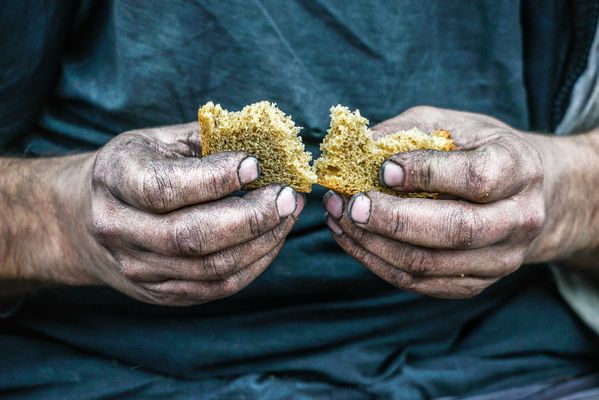
Los "sin techo"
- Muchas personas creen que los "sin techo" son ladrones porque tienen que robar para comer.
- A lot of people think that the homeless people are thieves because they have to steal so that they can eat.
- Necesitamos más ambición y más decisión para resolver la desigualdad.
- We need to be more ambitious and decisive to resolve inequality.

Aspectos del problema
- ¿Qué aspectos del problema de la pobreza y de los "sin techo" te preocupan más?
- What aspects of the the problem of poverty and homelessness worry you most?
- Me preocupa que haya demasiado paro. Para resolver este problema se necesitan más empleos..
- It worries me that there is a lot of unemployment. To solve this issue we need more jobs.

Una solución
- ¿Hay alguna solución?
- Can you see any solution?
- Me gustaría decir que sí, veo una solución, pero la realidad es que no puedo ver una porque hay mucha gente a quien le da igual.
- I would like to say that I can see a solution, but the reality is that I can't see one because there are a lot of people who don't care.
How to Use 'Se'
'Se' is only used with verbs in the 'él/ella' form. It is often translated as 'one can, you can, they can'. It is formed like this: 'Se' + 'él/ella' form of a verb (puede) + Infinitive. Here are the two commonly used verbs:

Poder - to be able to
- Se puede concluir que...
- One can conclude that...
- Como se puede ver.
- As you can see.
- Se puede llegar a una solución.
- They can come to a solution.

Deber - to ought to, to must
- Se debe hacer más.
- You must do more.
- Se debe tener en cuenta el contexto.
- One must take the context into account.
- Se debe trabajar duro.
- You must work hard.
1The Basics
1.1Pronouns
2Current & Future Study & Employment
2.1School & Subjects
2.2School & Subjects - Translations (Foundation)
2.2.1School - Spanish to English (Foundation)2.2.2School - English to Spanish (Foundation)2.2.3School - Translations (Foundation)2.2.4Subjects - Spanish to English (Foundation)2.2.5Subjects - English to Spanish (Foundation)2.2.6Subjects - Translations (Foundation)2.2.7School Routine - Spanish to English (Foundation)2.2.8School Routine - English to Spanish (Foundation)2.2.9School Routine- Translations (Foundation)
2.3School & Subjects - Translations (Higher)
2.4Education Post - 16
2.5Education Post - 16 - Translations (Foundation)
2.6Education Post - 16 - Translations (Higher)
3Identity & Culture
3.1Me, My Family & Friends
3.1.1Greetings3.1.2Greetings 23.1.3Age & Name3.1.4Reflexive Verbs3.1.5My Physical Appearance3.1.6My Personality3.1.7My Friends3.1.8My Friends' Physical Appearance3.1.9My Friends' Personality3.1.10Whose Father? Whose Parents?3.1.11Family Members3.1.12Other Family Members3.1.13Describing Family3.1.14Describing Family 23.1.15Describing People3.1.16Adjective Endings Match the Gender of the Noun3.1.17Exam-Style Questions - Describing People3.1.18Exam-Style Questions - Family3.1.19Tener3.1.20Ser3.1.21Estar3.1.22Relationships3.1.23Relationship - Verbs3.1.24Exam-Style Questions - Relationships
3.2Me, Family & Friends - Translations (Foundation)
3.2.1Greetings - Spanish to English (Foundation)3.2.2Greetings - English to Spanish (Foundation)3.2.3Greetings - Translations (Foundation)3.2.4Age & Name - Spanish to English (Foundation)3.2.5Age & Name - English to Spanish (Foundation)3.2.6Age & Name - Translations (Foundation)3.2.7Describing Yourself - Spanish to English (Foundati3.2.8Describing Yourself - English to Spanish (Foundati3.2.9Describing Yourself - Translations (Foundation)3.2.10Friends - English to Spanish (Foundation)3.2.11Friends - Spanish to English (Foundation)3.2.12Friends - Translations (Foundation)3.2.13Personality - Spanish to English (Foundation)3.2.14Personality - English to Spanish (Foundation)3.2.15Personality - Translations (Foundation)3.2.16Family - Spanish to English (Foundation)3.2.17Family - English to Spanish (Foundation)3.2.18Family - Translations (Foundation)3.2.19Describing Family - Spanish to English (Foundation3.2.20Describing Family - English to Spanish (Foundation3.2.21Describing Family - Translations (Foundation)3.2.22Relationships - Spanish to English (Foundation)3.2.23Relationships - English to Spanish (Foundation)3.2.24Relationships - Translations (Foundation)
3.3Me, Family & Friends - Translations (Higher)
3.3.1Age & Name - English to Spanish (Higher)3.3.2Describing Yourself - Translations (Higher)3.3.3Greetings - English to Spanish (Higher)3.3.4Greetings - Translations (Higher)3.3.5Age & Name - Translations (Higher)3.3.6Friends - English to Spanish (Higher)3.3.7Describing Yourself - English to Spanish (Higher)3.3.8Personality - Translations (Higher)3.3.9Personality - Spanish to English (Higher)3.3.10Friends - Spanish to English (Higher)3.3.11Friends - Translations (Higher)3.3.12Describing Family - English to Spanish (Higher)3.3.13Family - Spanish to English (Higher)3.3.14Family - English to Spanish (Higher)3.3.15Describing Family - Spanish to English (Higher)3.3.16Family - Translations (Higher)3.3.17Describing Family - Translations (Higher)3.3.18Relationships - Spanish to English (Higher)3.3.19Relationships - English to Spanish (Higher)3.3.20Relationships - Translations (Higher)
3.4Technology in Everyday Life
3.5Tech in Everyday Life - Translations (Foundation)
3.5.1Social Media - Spanish to English (Foundation)3.5.2Social Media - English to Spanish (Foundation)3.5.3Social Media - Translations (Foundation)3.5.4Mobile Technology - Spanish to English (Foundation3.5.5Mobile Technology - English to Spanish (Foundation3.5.6Mobile Technology - Translations (Foundation)
3.6Tech in Everyday Life - Translations (Higher)
3.7Free Time Activities
3.7.1Regular ER Verbs in the Imperfect3.7.2Music3.7.3Forming the Future Using 'ir a'3.7.4Cinema3.7.5TV3.7.6Exam-Style Questions - Cinema3.7.7Food3.7.8Regular AR Verbs in the Conditional Tense3.7.9To Do The Shopping3.7.10Meat3.7.11Fish3.7.12More Food3.7.13Fruit3.7.14Adjectives for Comparing Things3.7.15Vegetables3.7.16Exam-Style Questions - Fashion3.7.17Drinks3.7.18Snacks3.7.19Eating Out3.7.20Opinions3.7.21Sport3.7.22To Play a Sport3.7.23Favourite Sport3.7.24To Be in Fashion3.7.25Fashion Materials3.7.26No + Nada
3.8Free Time Activities - Translations (Foundation)
3.8.1Music - Spanish to English (Foundation)3.8.2Music - English to Spanish (Foundation)3.8.3Music - Translations (Foundation)3.8.4Cinema & TV - Spanish to English (Foundation)3.8.5Cinema & TV - English to Sp (Foundation)anish3.8.6Cinema & TV - Translations (Foundation)3.8.7Food - Spanish to English (Foundation)3.8.8Food - English to Spanish (Foundation)3.8.9Food - Translations (Foundation)3.8.10Meat & Fish - Spanish to English (Foundation)3.8.11Meat & Fish - English to Spanish (Foundation)3.8.12Meat & Fish - Translations (Foundation)3.8.13Fruit & Veg - Spanish to English (Foundation)3.8.14Fruit & Veg - English to Spanish (Foundation)3.8.15Fruit & Veg - Translations (Foundation)3.8.16Drinks & Snacks - Spanish to English (Foundation)3.8.17Drinks & Snacks - English to Spanish (Foundation)3.8.18Drinks & Snacks - Translations (Foundation)3.8.19Eating Out - Spanish to English (Foundation)3.8.20Eating Out - English to Spanish (Foundation)3.8.21Eating Out - Translations (Foundation)3.8.22Sport - Spanish to English (Foundation)3.8.23Sport - English to Spanish (Foundation)3.8.24Sport - Translations (Foundation)3.8.25Fashion - Spanish to English (Foundation)3.8.26Fashion - English to Spanish (Foundation)3.8.27Fashion - Translations (Foundation)
3.9Free Time Activities - Translations (Higher)
3.9.1Music - Spanish to English (Higher)3.9.2Music - English to Spanish (Higher)3.9.3Music - Translations (Higher)3.9.4Cinema & TV - Spanish to English (Higher)3.9.5Cinema & TV - English to Spanish (Higher)3.9.6Cinema & TV - Translations (Higher)3.9.7Food - Spanish to English (Higher)3.9.8Food - English to Spanish (Higher)3.9.9Food - Translations (Higher)3.9.10Meat & Fish - Translations (Higher)3.9.11Fruit & Veg - Translations (Higher)3.9.12Drinks & Snacks - English to Spanish (Higher)3.9.13Drinks & Snacks - Translations (Higher)3.9.14Eating Out - Translations (Higher)3.9.15Sport - Spanish to English (Higher)3.9.16Sport- English to Spanish (Higher)3.9.17Sport - Translations (Higher)3.9.18Fashion - Spanish to English (Higher)3.9.19Fashion - English to Spanish (Higher)3.9.20Fashion - Translations (Higher)
3.10Customs & Festivals in Spanish Speaking Countries
3.11Customs & Festivals - Translations (Foundation)
3.12Customs & Festivals - Translations (Higher)
4Areas of Interest
4.1Home, Town, Neighbourhood & Region
4.1.1Home4.1.2What Is There in Your House?4.1.3Set Expressions4.1.4Near Your Home4.1.5Location4.1.6Common Prepositions4.1.7Shops4.1.8Shops 24.1.9Places in Town4.1.10Places in Town 24.1.11Town & Region4.1.12The City and The Countryside4.1.13The Best, The Worst4.1.14Directions4.1.15Near, There4.1.16Positive Imperative4.1.17Exam-Style Questions - Directions
4.2Home & Region - Translations (Foundation)
4.2.1Home - Spanish to English (Foundation)4.2.2Home - English to Spanish (Foundation)4.2.3Home - Translations (Foundation)4.2.4Near Your Home - Spanish to English (Foundation)4.2.5Near Your Home - English to Spanish (Foundation)4.2.6Near Your Home - Translations (Foundation)4.2.7Shops - Spanish to English (Foundation)4.2.8Shops - English to Spanish (Foundation)4.2.9Shops - Translations (Foundation)4.2.10Places in Town - Spanish to English (Foundation)4.2.11Places in Town - English to Spanish (Foundation)4.2.12Places in Town - Translations (Foundation)4.2.13Region & Directions - English to Spanish (Found.)4.2.14Region & Directions - Spanish to English (Found.)4.2.15Region & Directions - Translations (Foundation)
4.3Home & Region - Translations (Higher)
4.3.1Home - Spanish to English (Higher)4.3.2Home - English to Spanish (Higher)4.3.3Home - Translations (Higher)4.3.4Near Your Home - Spanish to English (Higher)4.3.5Near Your Home - English to Spanish (Higher)4.3.6Near Your Home - Translations (Higher)4.3.7Shops - Spanish to English (Higher)4.3.8Shops - English to Spanish (Higher)4.3.9Shops - Translations (Higher)4.3.10Places in Town - Translations 1 (Higher)4.3.11Places in Town - Translations 2 (Higher)4.3.12Region & Directions - English to Spanish (Higher)4.3.13Region & Directions - Spanish to English (Higher)4.3.14Region & Directions - Translations (Higher)
4.4Social Issues
4.5Social Issues - Translations (Foundation)
4.5.1Charity - English to Spanish (Foundation)4.5.2Charity - Spanish to English (Foundation)4.5.3Charity - Translations (Foundation)4.5.4Body & Illness - Spanish to English (Foundation)4.5.5Body & Illness - English to Spanish (Foundation)4.5.6Body & Illness - Translations (Foundation)4.5.7Healthy Life - Spanish to English (Foundation)4.5.8Healthy Life - English to Spanish (Foundation)4.5.9A Healthy Life - Translations (Foundation)
4.6Social Issues - Translations (Higher)
4.6.1Healthy Life - English to Spanish (Higher)4.6.2Body & Illness - Spanish to English (Higher)4.6.3Charity - English to Spanish (Higher)4.6.4Healthy Life - Spanish to English (Higher)4.6.5A Healthy Life - Translations (Higher)4.6.6Body & Illness - English to Spanish (Higher)4.6.7Charity - Translations (Higher)4.6.8Charity - Spanish to English (Higher)4.6.9Body & Illness - Translations (Higher)
4.7Global Issues
4.8Global Issues - Translations
4.9Travel & Tourism
4.10Travel & Tourism - Translations
4.10.1Holidays - Spanish to English4.10.2Holidays - English to Spanish4.10.3Holidays - Translations4.10.4Booking - Spanish to English4.10.5Booking - English to Spanish4.10.6Booking - Translations4.10.7Tourism - Spanish to English4.10.8Tourism - English to Spanish4.10.9Tourism - Translations4.10.10Weather - Spanish to English4.10.11Weather - English to Spanish4.10.12Weather - Translations
5Listening Practice
5.1Time Expressions - Listening
5.2Me, My Family & Friends - Listening
5.3Technology in Everyday Life - Listening
5.4Free-Time - Listening
5.4.1Music - Listening (All)5.4.2Music - Listening (Higher)5.4.3Cinema & TV - Listening (All)5.4.4Cinema & TV - Listening (Higher)5.4.5Food & Eating Out - Listening (All)5.4.6Food & Eating Out - Listening (Higher)5.4.7Sport - Listening (All)5.4.8Sport - Listening (Higher)5.4.9Exam-Style Questions - Sport
5.5Customs & Festivals - Listening
5.6Home, Town, Neighbourhood & Region - Listening
5.7Social Issues - Listening
5.8Travel & Tourism - Listening
5.9Education - Listening
5.10Food & Drink - Listening
5.11In the Home - Listening
5.12Colours - Listening
5.13Clothes & Accesories - Listening
5.14Measurements - Listening
5.15Materials - Listening
6Common Tenses
6.1Present Tense
6.1.1Regular AR Verbs6.1.25 Common AR Verbs6.1.3Negative Verbs6.1.4Irregular AR Verbs6.1.5Irregular AR Verbs - Exceptions6.1.6Regular ER Verbs6.1.75 Common ER Verbs6.1.8Irregular ER Verbs6.1.9Irregular ER Verbs - First Person Stem Changes6.1.10Regular IR Verbs6.1.115 Common IR Verbs6.1.12Irregular IR Verbs6.1.13Irregular IR Verbs - Adding an Accent6.1.14Irregular IR Verbs - Exceptions6.1.15Irregular IR Verbs - 'Ir'6.1.16Irregular IR Verbs - Verbs Ending in '-uir'6.1.17Verb Phrases6.1.18The Use of 'Se'
6.2Preterite Tense
6.2.1Regular AR Verbs6.2.2Irregular AR Verbs6.2.3Irregular AR Verbs 26.2.4Regular ER Verbs6.2.5Irregular ER Verbs6.2.6Irregular ER Verbs - Ver & Tener6.2.7Irregular ER Verbs 26.2.8Regular IR Verbs6.2.9Irregular IR Verbs - Preterite6.2.10Irregular IR Verbs - Decir, Venir & Ir6.2.11Irregular IR Verbs 3
6.3Imperfect Tense
6.4Preterite vs Imperfect Tenses
6.5Future Tense
7Important Verbs
7.1To Be - 'Ser' & 'Estar'
7.2To Like - 'Gustar'
7.3To Have - 'Tener'
8Advanced Tenses
8.1The Simple Future
8.2Conditional Tense
8.3Continuous Tenses
8.5Present Subjunctive
8.5.1Present Subjunctive - Regular AR Verbs8.5.2Present Subjunctive - Regular ER Verbs8.5.3Present Subjunctive - Regular IR Verbs8.5.4Present Subjunctive - Irregular AR Verbs8.5.5Irregular AR Verbs 28.5.6Irregular AR Verbs 38.5.7Present Subjunctive - Irregular ER Verbs8.5.8Irregular ER Verbs 28.5.9Irregular IR Verbs8.5.10Irregular IR Verbs 28.5.11Irregular IR Verbs 38.5.12Present Subjunctive - Uses
8.6Imperfect Subjunctive
9Extra Grammar
9.1Articles
9.2Negatives
9.3Nouns
9.3.1People & Animals9.3.2Nouns that Stay the Same9.3.3Nouns that Only Take One Article9.3.4Masculine vs Feminine Nouns9.3.5Masculine Exceptions9.3.6Feminine Exceptions9.3.7Noun Endings that Are Usually Feminine9.3.8Noun Endings that Are Usually Masculine9.3.9Nouns that End in a Vowel9.3.10Nouns that End in a Consonant9.3.11Masculine Nouns9.3.12Masculine & Feminine Nouns
9.4Asking Questions
9.5Adjectives
9.5.1Adjectives that Change Endings9.5.2Adjectives that Remain the Same9.5.3'Grande' & 'Bueno'9.5.4Plurals Ending in a Consonant (r, l, s, d etc.)9.5.5Plurals Ending in a Vowel (a, e etc.)9.5.6The Best, The Worst9.5.7This, These, That and Those9.5.8Possession Before a Noun9.5.9Possession After a Noun9.5.10Whose9.5.11Indefinite
9.8Pronouns
9.9By, With, From, Of
9.10Verbs
Jump to other topics
1The Basics
1.1Pronouns
2Current & Future Study & Employment
2.1School & Subjects
2.2School & Subjects - Translations (Foundation)
2.2.1School - Spanish to English (Foundation)2.2.2School - English to Spanish (Foundation)2.2.3School - Translations (Foundation)2.2.4Subjects - Spanish to English (Foundation)2.2.5Subjects - English to Spanish (Foundation)2.2.6Subjects - Translations (Foundation)2.2.7School Routine - Spanish to English (Foundation)2.2.8School Routine - English to Spanish (Foundation)2.2.9School Routine- Translations (Foundation)
2.3School & Subjects - Translations (Higher)
2.4Education Post - 16
2.5Education Post - 16 - Translations (Foundation)
2.6Education Post - 16 - Translations (Higher)
3Identity & Culture
3.1Me, My Family & Friends
3.1.1Greetings3.1.2Greetings 23.1.3Age & Name3.1.4Reflexive Verbs3.1.5My Physical Appearance3.1.6My Personality3.1.7My Friends3.1.8My Friends' Physical Appearance3.1.9My Friends' Personality3.1.10Whose Father? Whose Parents?3.1.11Family Members3.1.12Other Family Members3.1.13Describing Family3.1.14Describing Family 23.1.15Describing People3.1.16Adjective Endings Match the Gender of the Noun3.1.17Exam-Style Questions - Describing People3.1.18Exam-Style Questions - Family3.1.19Tener3.1.20Ser3.1.21Estar3.1.22Relationships3.1.23Relationship - Verbs3.1.24Exam-Style Questions - Relationships
3.2Me, Family & Friends - Translations (Foundation)
3.2.1Greetings - Spanish to English (Foundation)3.2.2Greetings - English to Spanish (Foundation)3.2.3Greetings - Translations (Foundation)3.2.4Age & Name - Spanish to English (Foundation)3.2.5Age & Name - English to Spanish (Foundation)3.2.6Age & Name - Translations (Foundation)3.2.7Describing Yourself - Spanish to English (Foundati3.2.8Describing Yourself - English to Spanish (Foundati3.2.9Describing Yourself - Translations (Foundation)3.2.10Friends - English to Spanish (Foundation)3.2.11Friends - Spanish to English (Foundation)3.2.12Friends - Translations (Foundation)3.2.13Personality - Spanish to English (Foundation)3.2.14Personality - English to Spanish (Foundation)3.2.15Personality - Translations (Foundation)3.2.16Family - Spanish to English (Foundation)3.2.17Family - English to Spanish (Foundation)3.2.18Family - Translations (Foundation)3.2.19Describing Family - Spanish to English (Foundation3.2.20Describing Family - English to Spanish (Foundation3.2.21Describing Family - Translations (Foundation)3.2.22Relationships - Spanish to English (Foundation)3.2.23Relationships - English to Spanish (Foundation)3.2.24Relationships - Translations (Foundation)
3.3Me, Family & Friends - Translations (Higher)
3.3.1Age & Name - English to Spanish (Higher)3.3.2Describing Yourself - Translations (Higher)3.3.3Greetings - English to Spanish (Higher)3.3.4Greetings - Translations (Higher)3.3.5Age & Name - Translations (Higher)3.3.6Friends - English to Spanish (Higher)3.3.7Describing Yourself - English to Spanish (Higher)3.3.8Personality - Translations (Higher)3.3.9Personality - Spanish to English (Higher)3.3.10Friends - Spanish to English (Higher)3.3.11Friends - Translations (Higher)3.3.12Describing Family - English to Spanish (Higher)3.3.13Family - Spanish to English (Higher)3.3.14Family - English to Spanish (Higher)3.3.15Describing Family - Spanish to English (Higher)3.3.16Family - Translations (Higher)3.3.17Describing Family - Translations (Higher)3.3.18Relationships - Spanish to English (Higher)3.3.19Relationships - English to Spanish (Higher)3.3.20Relationships - Translations (Higher)
3.4Technology in Everyday Life
3.5Tech in Everyday Life - Translations (Foundation)
3.5.1Social Media - Spanish to English (Foundation)3.5.2Social Media - English to Spanish (Foundation)3.5.3Social Media - Translations (Foundation)3.5.4Mobile Technology - Spanish to English (Foundation3.5.5Mobile Technology - English to Spanish (Foundation3.5.6Mobile Technology - Translations (Foundation)
3.6Tech in Everyday Life - Translations (Higher)
3.7Free Time Activities
3.7.1Regular ER Verbs in the Imperfect3.7.2Music3.7.3Forming the Future Using 'ir a'3.7.4Cinema3.7.5TV3.7.6Exam-Style Questions - Cinema3.7.7Food3.7.8Regular AR Verbs in the Conditional Tense3.7.9To Do The Shopping3.7.10Meat3.7.11Fish3.7.12More Food3.7.13Fruit3.7.14Adjectives for Comparing Things3.7.15Vegetables3.7.16Exam-Style Questions - Fashion3.7.17Drinks3.7.18Snacks3.7.19Eating Out3.7.20Opinions3.7.21Sport3.7.22To Play a Sport3.7.23Favourite Sport3.7.24To Be in Fashion3.7.25Fashion Materials3.7.26No + Nada
3.8Free Time Activities - Translations (Foundation)
3.8.1Music - Spanish to English (Foundation)3.8.2Music - English to Spanish (Foundation)3.8.3Music - Translations (Foundation)3.8.4Cinema & TV - Spanish to English (Foundation)3.8.5Cinema & TV - English to Sp (Foundation)anish3.8.6Cinema & TV - Translations (Foundation)3.8.7Food - Spanish to English (Foundation)3.8.8Food - English to Spanish (Foundation)3.8.9Food - Translations (Foundation)3.8.10Meat & Fish - Spanish to English (Foundation)3.8.11Meat & Fish - English to Spanish (Foundation)3.8.12Meat & Fish - Translations (Foundation)3.8.13Fruit & Veg - Spanish to English (Foundation)3.8.14Fruit & Veg - English to Spanish (Foundation)3.8.15Fruit & Veg - Translations (Foundation)3.8.16Drinks & Snacks - Spanish to English (Foundation)3.8.17Drinks & Snacks - English to Spanish (Foundation)3.8.18Drinks & Snacks - Translations (Foundation)3.8.19Eating Out - Spanish to English (Foundation)3.8.20Eating Out - English to Spanish (Foundation)3.8.21Eating Out - Translations (Foundation)3.8.22Sport - Spanish to English (Foundation)3.8.23Sport - English to Spanish (Foundation)3.8.24Sport - Translations (Foundation)3.8.25Fashion - Spanish to English (Foundation)3.8.26Fashion - English to Spanish (Foundation)3.8.27Fashion - Translations (Foundation)
3.9Free Time Activities - Translations (Higher)
3.9.1Music - Spanish to English (Higher)3.9.2Music - English to Spanish (Higher)3.9.3Music - Translations (Higher)3.9.4Cinema & TV - Spanish to English (Higher)3.9.5Cinema & TV - English to Spanish (Higher)3.9.6Cinema & TV - Translations (Higher)3.9.7Food - Spanish to English (Higher)3.9.8Food - English to Spanish (Higher)3.9.9Food - Translations (Higher)3.9.10Meat & Fish - Translations (Higher)3.9.11Fruit & Veg - Translations (Higher)3.9.12Drinks & Snacks - English to Spanish (Higher)3.9.13Drinks & Snacks - Translations (Higher)3.9.14Eating Out - Translations (Higher)3.9.15Sport - Spanish to English (Higher)3.9.16Sport- English to Spanish (Higher)3.9.17Sport - Translations (Higher)3.9.18Fashion - Spanish to English (Higher)3.9.19Fashion - English to Spanish (Higher)3.9.20Fashion - Translations (Higher)
3.10Customs & Festivals in Spanish Speaking Countries
3.11Customs & Festivals - Translations (Foundation)
3.12Customs & Festivals - Translations (Higher)
4Areas of Interest
4.1Home, Town, Neighbourhood & Region
4.1.1Home4.1.2What Is There in Your House?4.1.3Set Expressions4.1.4Near Your Home4.1.5Location4.1.6Common Prepositions4.1.7Shops4.1.8Shops 24.1.9Places in Town4.1.10Places in Town 24.1.11Town & Region4.1.12The City and The Countryside4.1.13The Best, The Worst4.1.14Directions4.1.15Near, There4.1.16Positive Imperative4.1.17Exam-Style Questions - Directions
4.2Home & Region - Translations (Foundation)
4.2.1Home - Spanish to English (Foundation)4.2.2Home - English to Spanish (Foundation)4.2.3Home - Translations (Foundation)4.2.4Near Your Home - Spanish to English (Foundation)4.2.5Near Your Home - English to Spanish (Foundation)4.2.6Near Your Home - Translations (Foundation)4.2.7Shops - Spanish to English (Foundation)4.2.8Shops - English to Spanish (Foundation)4.2.9Shops - Translations (Foundation)4.2.10Places in Town - Spanish to English (Foundation)4.2.11Places in Town - English to Spanish (Foundation)4.2.12Places in Town - Translations (Foundation)4.2.13Region & Directions - English to Spanish (Found.)4.2.14Region & Directions - Spanish to English (Found.)4.2.15Region & Directions - Translations (Foundation)
4.3Home & Region - Translations (Higher)
4.3.1Home - Spanish to English (Higher)4.3.2Home - English to Spanish (Higher)4.3.3Home - Translations (Higher)4.3.4Near Your Home - Spanish to English (Higher)4.3.5Near Your Home - English to Spanish (Higher)4.3.6Near Your Home - Translations (Higher)4.3.7Shops - Spanish to English (Higher)4.3.8Shops - English to Spanish (Higher)4.3.9Shops - Translations (Higher)4.3.10Places in Town - Translations 1 (Higher)4.3.11Places in Town - Translations 2 (Higher)4.3.12Region & Directions - English to Spanish (Higher)4.3.13Region & Directions - Spanish to English (Higher)4.3.14Region & Directions - Translations (Higher)
4.4Social Issues
4.5Social Issues - Translations (Foundation)
4.5.1Charity - English to Spanish (Foundation)4.5.2Charity - Spanish to English (Foundation)4.5.3Charity - Translations (Foundation)4.5.4Body & Illness - Spanish to English (Foundation)4.5.5Body & Illness - English to Spanish (Foundation)4.5.6Body & Illness - Translations (Foundation)4.5.7Healthy Life - Spanish to English (Foundation)4.5.8Healthy Life - English to Spanish (Foundation)4.5.9A Healthy Life - Translations (Foundation)
4.6Social Issues - Translations (Higher)
4.6.1Healthy Life - English to Spanish (Higher)4.6.2Body & Illness - Spanish to English (Higher)4.6.3Charity - English to Spanish (Higher)4.6.4Healthy Life - Spanish to English (Higher)4.6.5A Healthy Life - Translations (Higher)4.6.6Body & Illness - English to Spanish (Higher)4.6.7Charity - Translations (Higher)4.6.8Charity - Spanish to English (Higher)4.6.9Body & Illness - Translations (Higher)
4.7Global Issues
4.8Global Issues - Translations
4.9Travel & Tourism
4.10Travel & Tourism - Translations
4.10.1Holidays - Spanish to English4.10.2Holidays - English to Spanish4.10.3Holidays - Translations4.10.4Booking - Spanish to English4.10.5Booking - English to Spanish4.10.6Booking - Translations4.10.7Tourism - Spanish to English4.10.8Tourism - English to Spanish4.10.9Tourism - Translations4.10.10Weather - Spanish to English4.10.11Weather - English to Spanish4.10.12Weather - Translations
5Listening Practice
5.1Time Expressions - Listening
5.2Me, My Family & Friends - Listening
5.3Technology in Everyday Life - Listening
5.4Free-Time - Listening
5.4.1Music - Listening (All)5.4.2Music - Listening (Higher)5.4.3Cinema & TV - Listening (All)5.4.4Cinema & TV - Listening (Higher)5.4.5Food & Eating Out - Listening (All)5.4.6Food & Eating Out - Listening (Higher)5.4.7Sport - Listening (All)5.4.8Sport - Listening (Higher)5.4.9Exam-Style Questions - Sport
5.5Customs & Festivals - Listening
5.6Home, Town, Neighbourhood & Region - Listening
5.7Social Issues - Listening
5.8Travel & Tourism - Listening
5.9Education - Listening
5.10Food & Drink - Listening
5.11In the Home - Listening
5.12Colours - Listening
5.13Clothes & Accesories - Listening
5.14Measurements - Listening
5.15Materials - Listening
6Common Tenses
6.1Present Tense
6.1.1Regular AR Verbs6.1.25 Common AR Verbs6.1.3Negative Verbs6.1.4Irregular AR Verbs6.1.5Irregular AR Verbs - Exceptions6.1.6Regular ER Verbs6.1.75 Common ER Verbs6.1.8Irregular ER Verbs6.1.9Irregular ER Verbs - First Person Stem Changes6.1.10Regular IR Verbs6.1.115 Common IR Verbs6.1.12Irregular IR Verbs6.1.13Irregular IR Verbs - Adding an Accent6.1.14Irregular IR Verbs - Exceptions6.1.15Irregular IR Verbs - 'Ir'6.1.16Irregular IR Verbs - Verbs Ending in '-uir'6.1.17Verb Phrases6.1.18The Use of 'Se'
6.2Preterite Tense
6.2.1Regular AR Verbs6.2.2Irregular AR Verbs6.2.3Irregular AR Verbs 26.2.4Regular ER Verbs6.2.5Irregular ER Verbs6.2.6Irregular ER Verbs - Ver & Tener6.2.7Irregular ER Verbs 26.2.8Regular IR Verbs6.2.9Irregular IR Verbs - Preterite6.2.10Irregular IR Verbs - Decir, Venir & Ir6.2.11Irregular IR Verbs 3
6.3Imperfect Tense
6.4Preterite vs Imperfect Tenses
6.5Future Tense
7Important Verbs
7.1To Be - 'Ser' & 'Estar'
7.2To Like - 'Gustar'
7.3To Have - 'Tener'
8Advanced Tenses
8.1The Simple Future
8.2Conditional Tense
8.3Continuous Tenses
8.5Present Subjunctive
8.5.1Present Subjunctive - Regular AR Verbs8.5.2Present Subjunctive - Regular ER Verbs8.5.3Present Subjunctive - Regular IR Verbs8.5.4Present Subjunctive - Irregular AR Verbs8.5.5Irregular AR Verbs 28.5.6Irregular AR Verbs 38.5.7Present Subjunctive - Irregular ER Verbs8.5.8Irregular ER Verbs 28.5.9Irregular IR Verbs8.5.10Irregular IR Verbs 28.5.11Irregular IR Verbs 38.5.12Present Subjunctive - Uses
8.6Imperfect Subjunctive
9Extra Grammar
9.1Articles
9.2Negatives
9.3Nouns
9.3.1People & Animals9.3.2Nouns that Stay the Same9.3.3Nouns that Only Take One Article9.3.4Masculine vs Feminine Nouns9.3.5Masculine Exceptions9.3.6Feminine Exceptions9.3.7Noun Endings that Are Usually Feminine9.3.8Noun Endings that Are Usually Masculine9.3.9Nouns that End in a Vowel9.3.10Nouns that End in a Consonant9.3.11Masculine Nouns9.3.12Masculine & Feminine Nouns
9.4Asking Questions
9.5Adjectives
9.5.1Adjectives that Change Endings9.5.2Adjectives that Remain the Same9.5.3'Grande' & 'Bueno'9.5.4Plurals Ending in a Consonant (r, l, s, d etc.)9.5.5Plurals Ending in a Vowel (a, e etc.)9.5.6The Best, The Worst9.5.7This, These, That and Those9.5.8Possession Before a Noun9.5.9Possession After a Noun9.5.10Whose9.5.11Indefinite
9.8Pronouns
9.9By, With, From, Of
9.10Verbs
Practice questions on Poverty & Homelessness
Can you answer these? Test yourself with free interactive practice on Seneca — used by over 10 million students.
- 1What does 'los "sin techo"' mean in English?Multiple choice
- 2La pobreza:Fill in the list
- 3
- 4How do you say 'thief' in Spanish?Multiple choice
- 5
Unlock your full potential with Seneca Premium
Unlimited access to 10,000+ open-ended exam questions
Mini-mock exams based on your study history
Unlock 800+ premium courses & e-books